
Understanding Home Valuations
Whether you're a first-time buyer, relocating to North Carolina, or purchasing your next home, this stage of the buying process is where preparation begins to pay off. By understanding how to evaluate homes, compare neighborhoods, negotiate effectively, and navigate North Carolina's unique contract process, you'll be positioned to make confident, informed decisions.
Step 2: Define Your Ideal Home
Before scheduling showings, create two lists:
Your Must-Haves
These are features you cannot compromise on.
Examples include:
- Number of bedrooms
- Number of bathrooms
- Square footage
- Garage
- Home office
- One-story living
- Fenced backyard
- School district
- Commute distance
- Accessibility features
Your Nice-to-Haves
These are features you'd love but can live without.
Examples include:
- Swimming pool
- Outdoor kitchen
- Waterfront views
- Finished bonus room
- Fireplace
- Smart home technology
- Large workshop
- Boat slip
- Hardwood floors
- Covered porch
Separating needs from wants helps prevent emotional decisions that exceed your budget.
Choosing the Right Community
Remember, you're not only buying a house—you're choosing a lifestyle.
Consider factors such as:
Commute Time
How far are you willing to drive each day?
If you're stationed at Camp Lejeune, work in downtown Wilmington, or commute to New Hanover Regional Medical Center, drive time can significantly impact your daily routine.
Schools
Even buyers without children often consider school districts because they influence future resale value.
Research:
- Public schools
- Charter schools
- Private schools
- College proximity
Lifestyle
Ask yourself:
Do you want:
- Walkable neighborhoods?
- Waterfront living?
- Rural privacy?
- Golf course communities?
- Beach access?
- Historic districts?
- Family-oriented neighborhoods?
- New developments?
Future Growth
A rapidly growing area today may provide stronger appreciation tomorrow.
Consider:
- Planned infrastructure
- Commercial development
- New schools
- Highway improvements
- Population growth
- Employment centers
Understanding Home Types
North Carolina offers many different property types.
Existing Homes
Advantages:
- Established neighborhoods
- Mature landscaping
- Often larger lots
- Immediate availability
- Known community character
Potential considerations:
- Older systems
- Deferred maintenance
- Remodeling needs
New Construction Homes
Benefits include:
- Modern layouts
- Energy efficiency
- Builder warranties
- Lower maintenance
- Customization opportunities
Things to remember:
Builder contracts often differ from standard resale contracts. Having your own REALTOR® represent your interests throughout the construction process is still extremely valuable.
Condominiums
Great for:
- First-time buyers
- Retirees
- Vacation homes
- Low-maintenance lifestyles
Review:
- HOA fees
- Association rules
- Reserve studies
- Rental restrictions
- Insurance responsibilities
Townhomes
Offer a balance between:
- Lower maintenance
- More privacy than condos
- Often lower purchase prices than detached homes
Touring Homes Like a Professional
It's easy to become distracted by beautiful staging and decorations.
Instead, evaluate the home's fundamentals.
Look carefully at:
- Roof condition
- Foundation
- HVAC system
- Plumbing
- Electrical panel
- Windows
- Insulation
- Crawlspace
- Attic
- Drainage
- Moisture issues
- Signs of previous repairs
Take photographs and notes after every showing.
After viewing several homes, they begin to blend together.
Looking Beyond Cosmetic Features
Fresh paint can hide problems.
Focus on:
- Structural integrity
- Floor plan
- Lot size
- Neighborhood
- Traffic
- Noise
- Future resale value
Cosmetic upgrades are often much easier than changing a home's location.
Step 3: Making an Offer
Once you've found the right home, your REALTOR® will help prepare a competitive offer.
A strong offer includes more than just the purchase price.
Important terms often include:
- Purchase price
- Due diligence fee
- Earnest money
- Closing date
- Financing terms
- Requested personal property
- Inspection period
- Repair requests
- Closing cost assistance
- Contingencies
Every market is different.
In a seller's market, stronger terms may be more important than simply offering the highest price.
Understanding Comparable Sales
Your REALTOR® will analyze recently sold homes similar to the property you're considering.
Comparable sales help determine:
- Fair market value
- Appropriate offer price
- Negotiation strategy
- Future resale potential
Avoid relying solely on online estimates, which may not reflect current market conditions or neighborhood-specific factors.
Negotiating the Purchase
Negotiation rarely ends with the initial offer.
Common negotiation points include:
- Purchase price
- Closing costs
- Appliances
- Repairs
- Home warranty
- Closing timeline
- Furniture
- Personal property
Successful negotiations focus on achieving a fair agreement rather than simply "winning."
Home Inspections
Once your offer is accepted, schedule a professional home inspection as soon as possible.
A comprehensive inspection typically evaluates:
- Roofing
- Foundation
- Plumbing
- Electrical
- HVAC
- Crawlspace
- Attic
- Moisture intrusion
- Structural components
- Windows and doors
- Appliances
Additional specialty inspections may include:
- Pest inspection
- Septic inspection
- Well water testing
- Mold inspection
- Radon testing
- Structural engineering evaluation
Inspections provide valuable information about the property's current condition and help buyers make informed decisions before closing.
Understanding Inspection Reports
Every home—even new construction—will have inspection findings.
The goal is not to find a "perfect" house.
Instead, determine:
- Which issues are routine maintenance?
- Which require immediate repair?
- Which represent significant safety concerns?
- Which may affect financing?
Your REALTOR® can help prioritize repair requests and negotiate with the seller when appropriate.
The Appraisal Process
If you're financing your purchase, your lender will typically order an appraisal.
The appraiser's role is to determine whether the property's value reasonably supports the loan amount.
Possible outcomes include:
Appraisal Meets Value
Proceed toward closing.
Appraisal Above Purchase Price
Excellent news.
You begin ownership with immediate equity.
Appraisal Below Purchase Price
Several options may exist:
- Renegotiate price
- Increase down payment
- Challenge the appraisal (when supported)
- Cancel under applicable contract provisions
Your REALTOR® and lender will help evaluate the best course of action.
Title Search and Insurance
Before closing, a title search confirms the seller has the legal right to transfer ownership.
The process identifies potential issues such as:
- Outstanding liens
- Judgments
- Easements
- Ownership disputes
- Recording errors
Title insurance helps protect buyers from certain covered title defects that may not be discovered before closing.
Avoid These Common Buyer Mistakes
Many transactions become more difficult because buyers unknowingly create financing issues after going under contract.
Avoid:
- Opening new credit accounts
- Financing furniture before closing
- Purchasing a new vehicle
- Changing jobs without consulting your lender
- Missing document deadlines
- Making large unexplained bank deposits
- Co-signing loans
- Closing credit accounts unnecessarily
Continue managing your finances consistently until after closing.
Stay Organized Throughout the Process
Create a checklist that includes:
- Mortgage documents
- Inspection reports
- Insurance quotes
- Repair requests
- Loan disclosures
- Closing disclosures
- Utility transfer information
- Important deadlines
Organization helps reduce stress and keeps your transaction moving smoothly.
You're Almost Home
By this stage, you've:
- Selected the right community
- Found a home that fits your goals
- Negotiated a contract
- Completed inspections
- Navigated financing
- Worked through appraisal and title review
Only one final step remains—closing on your new home and becoming a homeowner.
Ultimate Home Buyer's Guide to Buying a Home in North Carolina (2026)
Closing on Your Home & Becoming a Successful Homeowner
Congratulations! If you've reached this stage of the home-buying process, you're just days away from becoming a homeowner. While the excitement is building, there are still a few important steps to complete before you receive the keys.
This final section explains everything you need to know about closing on a home in North Carolina, what to expect after closing, and how to protect one of the largest investments you'll ever make.
Step 4: Preparing for Closing
Once your financing has been approved, the appraisal is complete, inspections have been negotiated, and the title work has been finalized, your lender will issue a "Clear to Close."
This means all major conditions have been satisfied, and your transaction is ready for the closing table.
During this time, you'll coordinate with your lender, closing attorney, and REALTOR® to confirm:
- Closing date and time
- Final closing costs
- Wire transfer or certified funds
- Homeowners insurance
- Utility transfers
- Final documentation
Understanding Your Closing Disclosure
Federal law requires lenders to provide buyers with a Closing Disclosure (CD) before closing.
Review this document carefully.
It outlines:
- Loan amount
- Interest rate
- Monthly mortgage payment
- Property taxes
- Homeowners insurance
- Loan fees
- Title charges
- Attorney fees
- Escrow deposits
- Cash required to close
Compare the Closing Disclosure to your original Loan Estimate and ask your lender about any unexpected changes.
Closing Costs Explained
Many buyers focus on the down payment but forget about closing costs.
Closing costs may include:
- Loan origination fees
- Credit report fees
- Appraisal fees
- Attorney fees
- Title search
- Title insurance
- Recording fees
- Property taxes
- Homeowners insurance premiums
- Escrow funding
- Prepaid interest
Depending on negotiations, some sellers may agree to contribute toward certain closing costs.
Conducting the Final Walkthrough
Typically performed within 24 hours of closing, the final walkthrough ensures the property is in the agreed-upon condition.
During the walkthrough, verify:
- Agreed-upon repairs have been completed
- Appliances remain in the home
- Fixtures have not been removed
- Heating and cooling systems operate properly
- Plumbing functions correctly
- Electrical outlets and lighting work
- No new damage has occurred
- Personal property included in the contract remains
This is not another home inspection. It is simply your opportunity to confirm the home's condition before ownership transfers.
What to Bring to Closing
Bring:
- Government-issued photo identification
- Certified funds or confirmation of your wire transfer (if applicable)
- Proof of homeowners insurance
- Any requested lender documentation
- Your Closing Disclosure
- Questions you may still have
Your closing attorney and REALTOR® will guide you through each document before you sign.
Signing the Closing Documents
Although you'll sign numerous documents, several are especially important:
Promissory Note
Your promise to repay the mortgage loan.
Deed of Trust
Secures the lender's interest in the property until the loan is repaid.
Settlement Statement
Provides a detailed accounting of every financial transaction involved in your purchase.
Deed
Transfers ownership from the seller to you.
Your attorney will explain each document before it is signed.
Congratulations—You're a Homeowner!
Once the documents have been signed, funds have been received, and the deed has been recorded, you'll officially become the owner of your new home.
Now comes one of the best moments in the process:
Receiving the keys.
Your First Week as a Homeowner
Take a few simple steps immediately after moving in.
Change the Locks
You never know how many previous keys exist.
Changing or rekeying the locks provides peace of mind.
Update Security Codes
Reset:
- Garage door openers
- Alarm systems
- Smart locks
- Wi-Fi passwords
- Smart home devices
Locate Important Shutoffs
Know where to find:
- Water shutoff
- Electrical panel
- Gas shutoff
- HVAC disconnect
- Internet equipment
Understanding these systems before an emergency occurs can save valuable time and reduce damage.
Create a Home Maintenance File
Keep records of:
- Purchase documents
- Appliance manuals
- Warranty information
- Contractor invoices
- Insurance policies
- Repair receipts
- Improvement projects
Maintaining organized records simplifies future repairs and can be beneficial when selling your home.
Home Maintenance Checklist
Routine maintenance protects your investment and helps prevent costly repairs.
Monthly
- Replace HVAC filters as needed
- Test smoke and carbon monoxide detectors
- Check for plumbing leaks
- Inspect exterior drainage
- Clean kitchen exhaust filters
Quarterly
- Inspect roof from the ground
- Test GFCI outlets
- Clean gutters if necessary
- Flush the water heater (per manufacturer recommendations)
- Check caulking around windows and doors
Annually
- Schedule HVAC servicing
- Inspect the roof professionally if needed
- Pressure wash siding
- Service fireplaces and chimneys
- Review homeowners insurance coverage
- Trim trees away from the roof
- Inspect crawlspaces and attics for moisture or pests
Preventive maintenance preserves your home's value and reduces unexpected expenses.
Building Equity Over Time
One of the greatest benefits of homeownership is building equity.
Equity grows through:
- Paying down your mortgage
- Property appreciation
- Home improvements
- Market demand
- Strategic renovations
Over time, increased equity can provide financial flexibility for future purchases, renovations, or investments.
Should You Renovate?
Not every improvement adds equal value.
Projects that often provide strong returns include:
- Kitchen updates
- Bathroom renovations
- Fresh interior paint
- Landscaping
- Flooring improvements
- Energy-efficient windows
- Modern lighting
- Smart home upgrades
- Curb appeal enhancements
Consult your REALTOR® before making major renovations to understand what improvements are most valuable in your local market.
Frequently Asked Questions
How much money do I need to buy a home?
The amount varies depending on your loan program, purchase price, and closing costs. Many buyers qualify with less than a traditional 20% down payment.
How long does the home-buying process take?
Most transactions close within 30 to 45 days, although timelines may vary based on financing, inspections, and market conditions.
Can I buy a home before selling my current one?
Yes. Depending on your financial situation, there are several strategies available. Your REALTOR® can help determine the best approach.
Is a home inspection required?
While not always required by lenders, a professional inspection is strongly recommended for nearly every purchase, including many new construction homes.
Should I buy now or wait?
No one can consistently predict future interest rates or home prices. Purchasing a home should be based on your financial readiness, lifestyle goals, and long-term plans rather than attempting to time the market perfectly.
Resources for First-Time Home Buyers
Many buyers may qualify for programs that assist with homeownership.
Potential resources include:
- Down payment assistance programs
- First-time homebuyer grants
- FHA financing
- USDA Rural Development loans
- VA Home Loans
- Local housing initiatives
- State-sponsored assistance programs
A knowledgeable lender can help identify programs that fit your circumstances.
Military Home Buyers
Eastern North Carolina is home to one of the nation's largest military communities.
If you're relocating to:
- Camp Lejeune
- MCAS New River
- Cherry Point
- Seymour Johnson Air Force Base
- Fort Liberty
- Coast Guard installations
working with a REALTOR® experienced in military relocations can simplify your transition.
Military buyers often benefit from guidance on:
- VA Loans
- Basic Allowance for Housing (BAH)
- Permanent Change of Station (PCS) timelines
- Rental-to-homeownership transitions
- Short-notice relocations
- Investment opportunities near military bases
Why Work with Winchester Realty Group?
Buying a home is about more than finding the right property—it's about having trusted guidance throughout the entire journey.
At Winchester Realty Group, we help buyers throughout Wilmington, Jacksonville, Hampstead, Sneads Ferry, Leland, Surf City, Carolina Beach, Kure Beach, Richlands, Holly Ridge, and surrounding Coastal North Carolina communities.
Our commitment includes:
- Personalized home searches
- Local market expertise
- Skilled negotiation
- Military relocation assistance
- First-time homebuyer guidance
- New construction representation
- Waterfront and luxury home expertise
- Investment property consultation
- Trusted lender and vendor referrals
- Ongoing support long after closing
Whether you're purchasing your first home, upgrading to your forever home, investing in real estate, or relocating to North Carolina, we're here to make the process as smooth and successful as possible.
Your Journey Starts Here
Buying a home is one of life's most exciting milestones, and preparation is the key to making informed, confident decisions.
With the right plan, experienced professionals, and a clear understanding of the process, you'll be well-equipped to navigate every stage of your home-buying journey.
If you're ready to begin your search, explore available homes, schedule a personalized consultation, or simply ask questions about buying a home in North Carolina, Winchester Realty Group is ready to help.
Related Resources
To continue your home-buying journey, explore these helpful guides:
- Military Relocation to Jacksonville, NC
- Moving to Wilmington, NC
- Homes for Sale in Wilmington, NC
- Homes for Sale in Jacksonville, NC
- Waterfront Homes in Coastal North Carolina
- New Construction Homes in Wilmington, NC
- First-Time Home Buyer Resources
- North Carolina Property Valuation Tool
- Neighborhood Guides for Coastal North Carolina
- Monthly Real Estate Market Reports
By exploring these resources, you'll gain deeper insight into the communities, market trends, and home-buying opportunities that make Coastal North Carolina one of the best places to live, work, and invest.
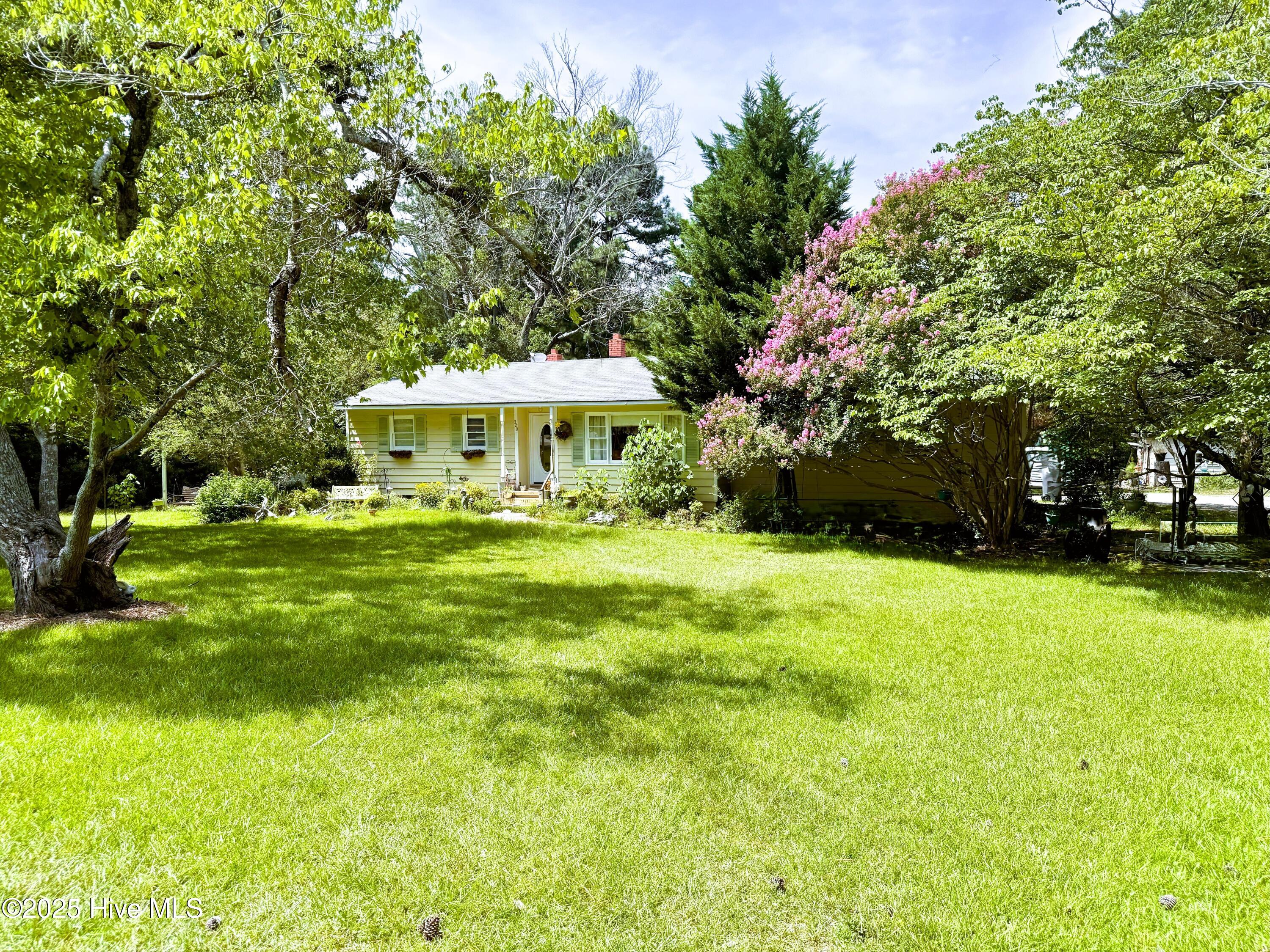
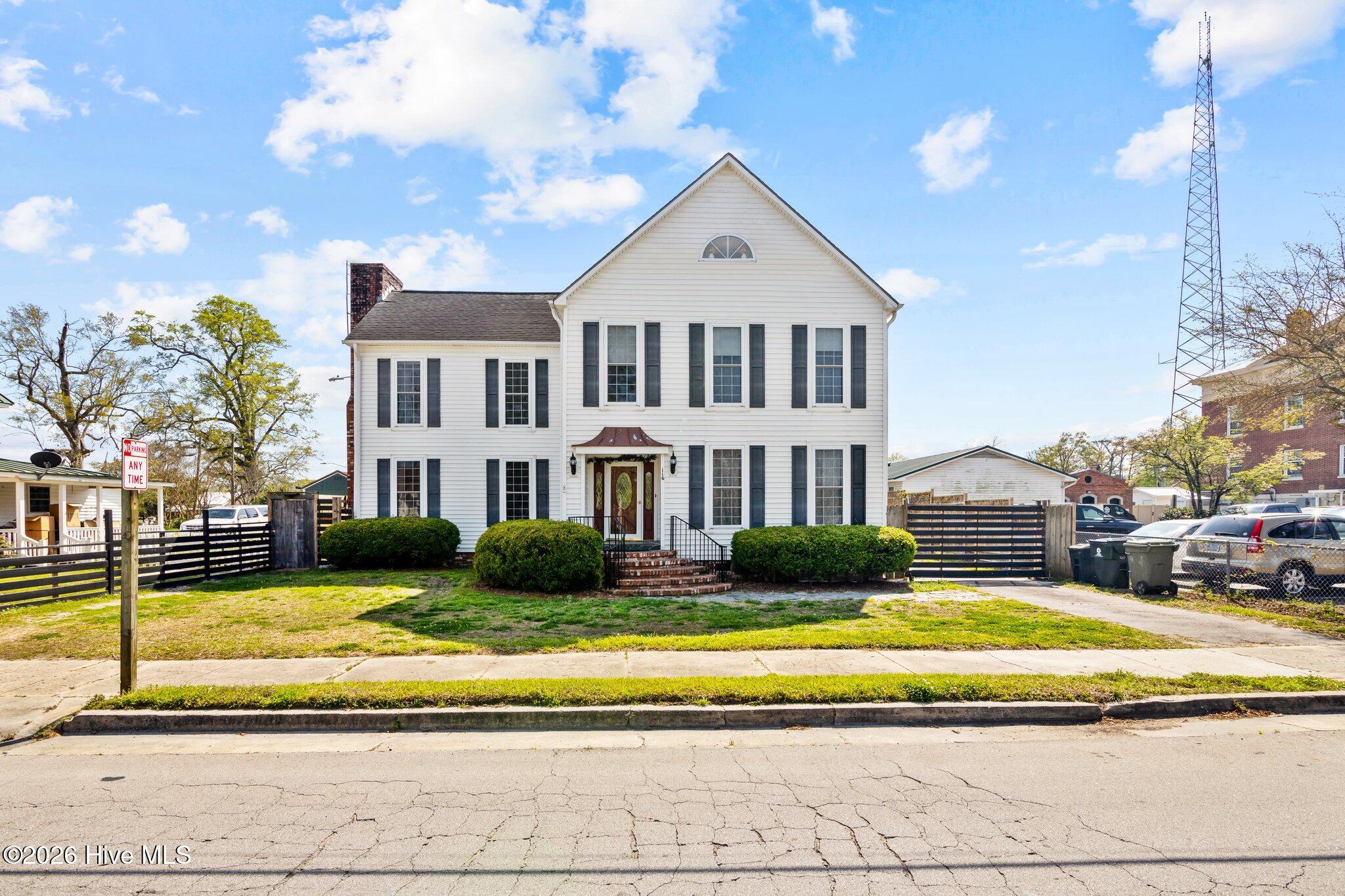
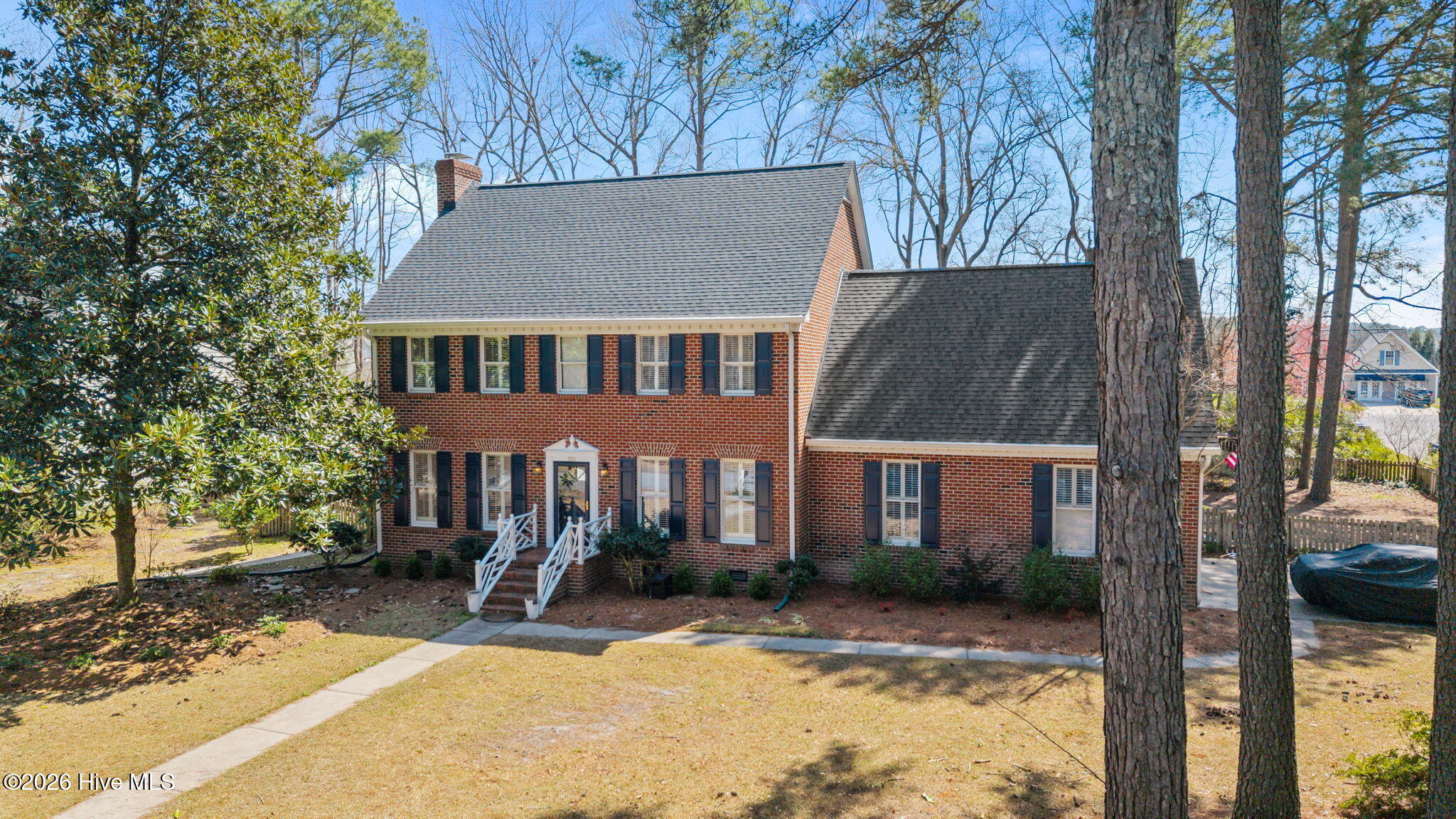
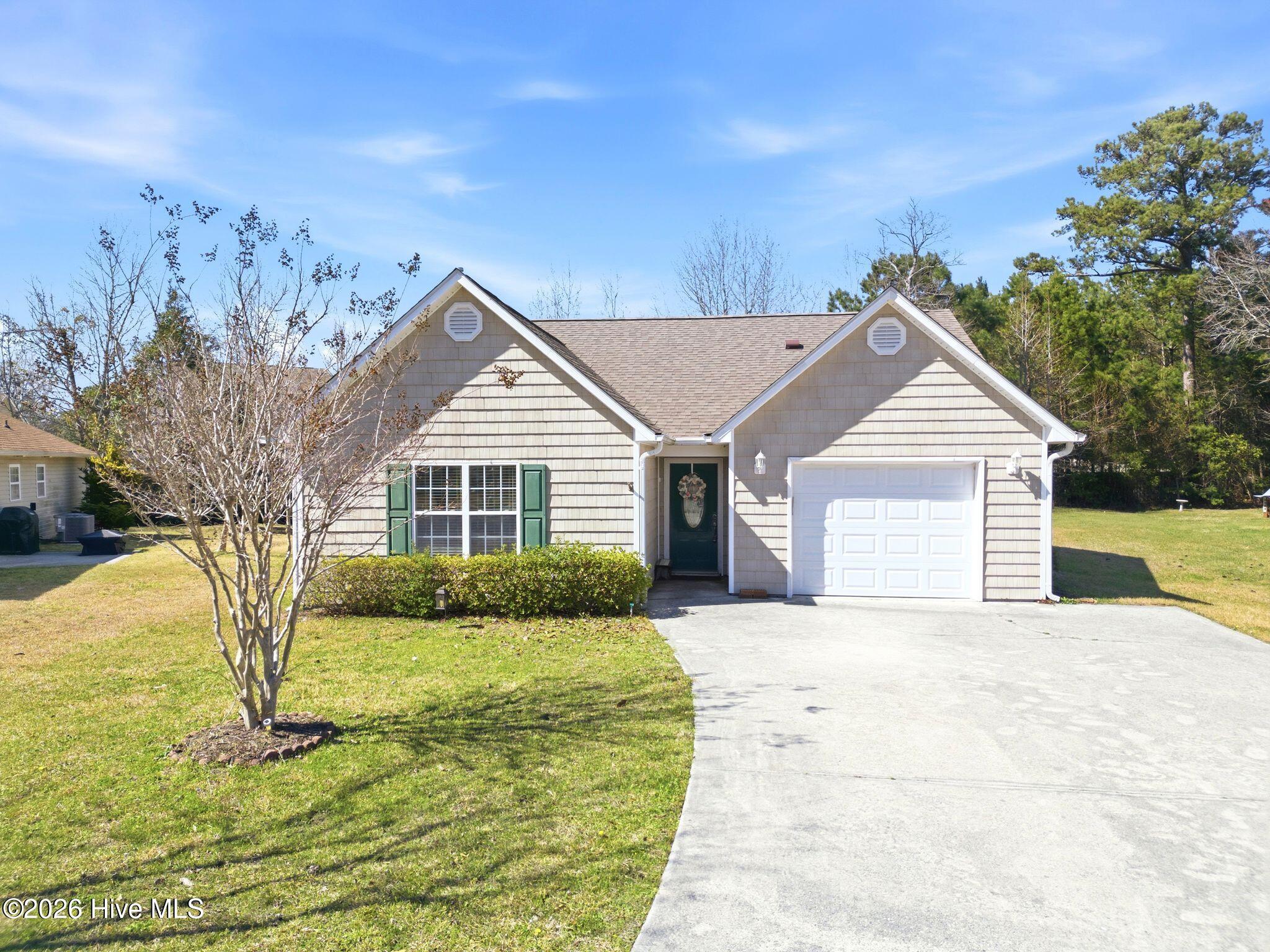
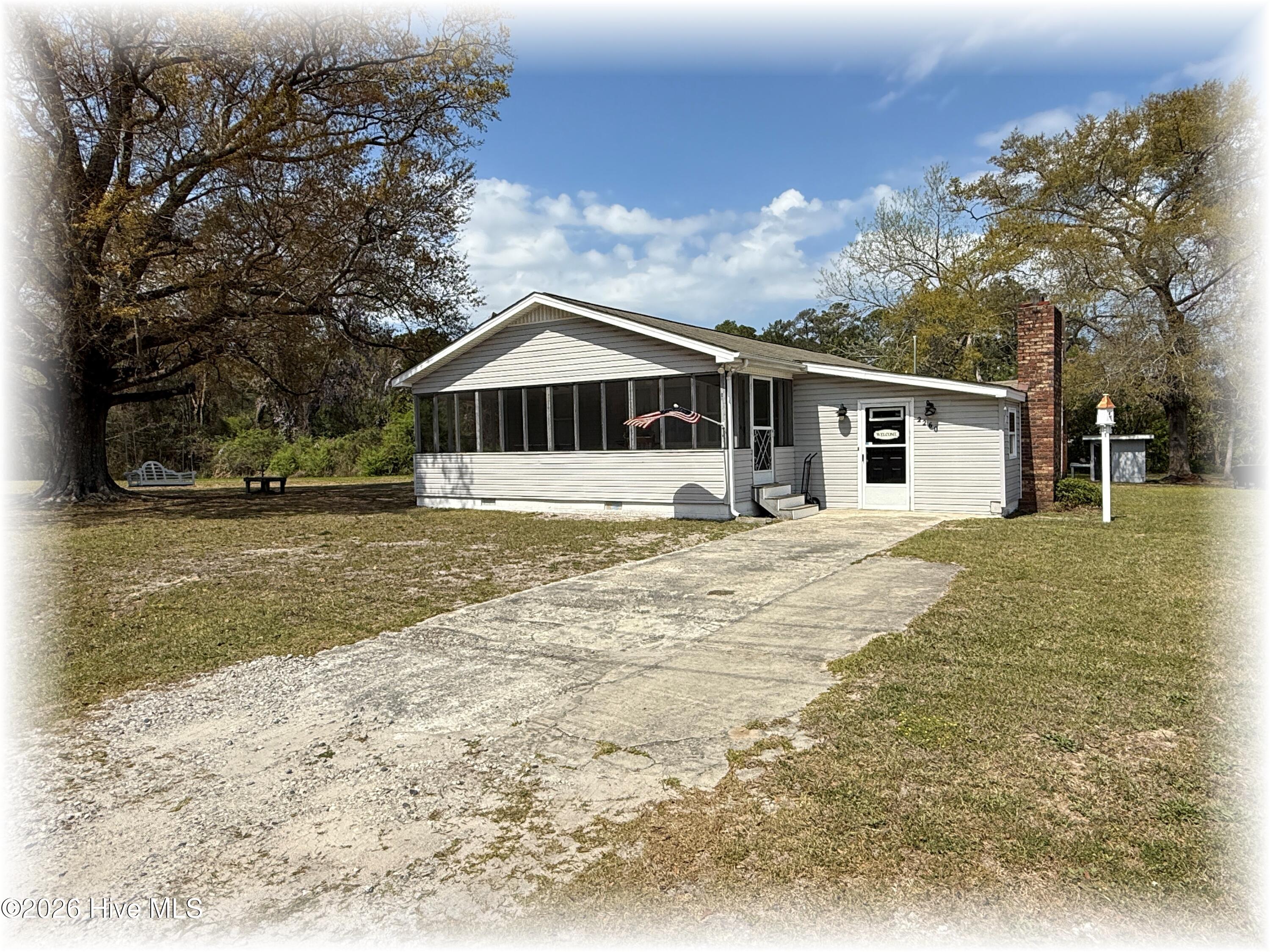
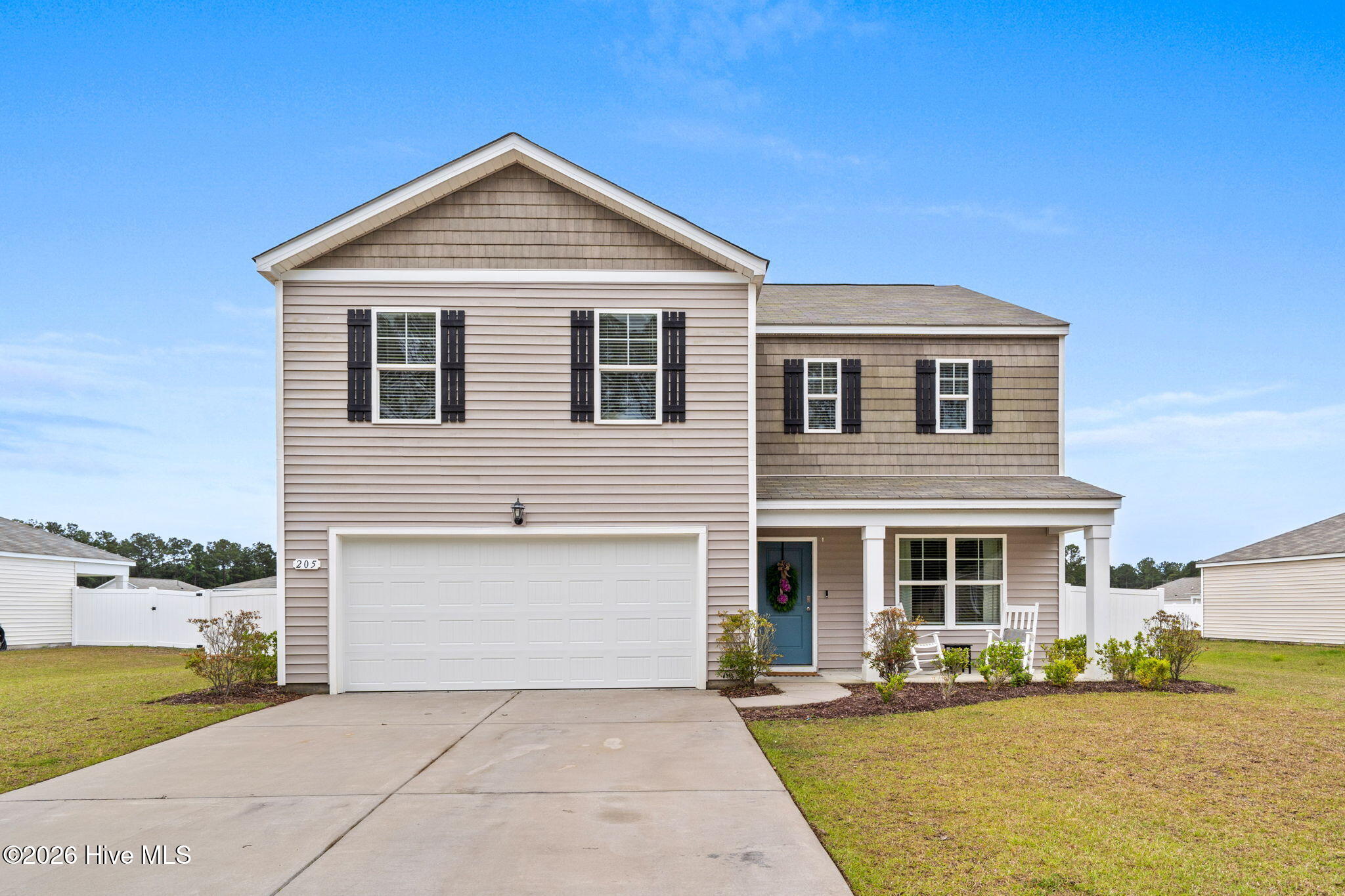
Beds: 4 Baths: 2 SqFt: 2,259 | |||
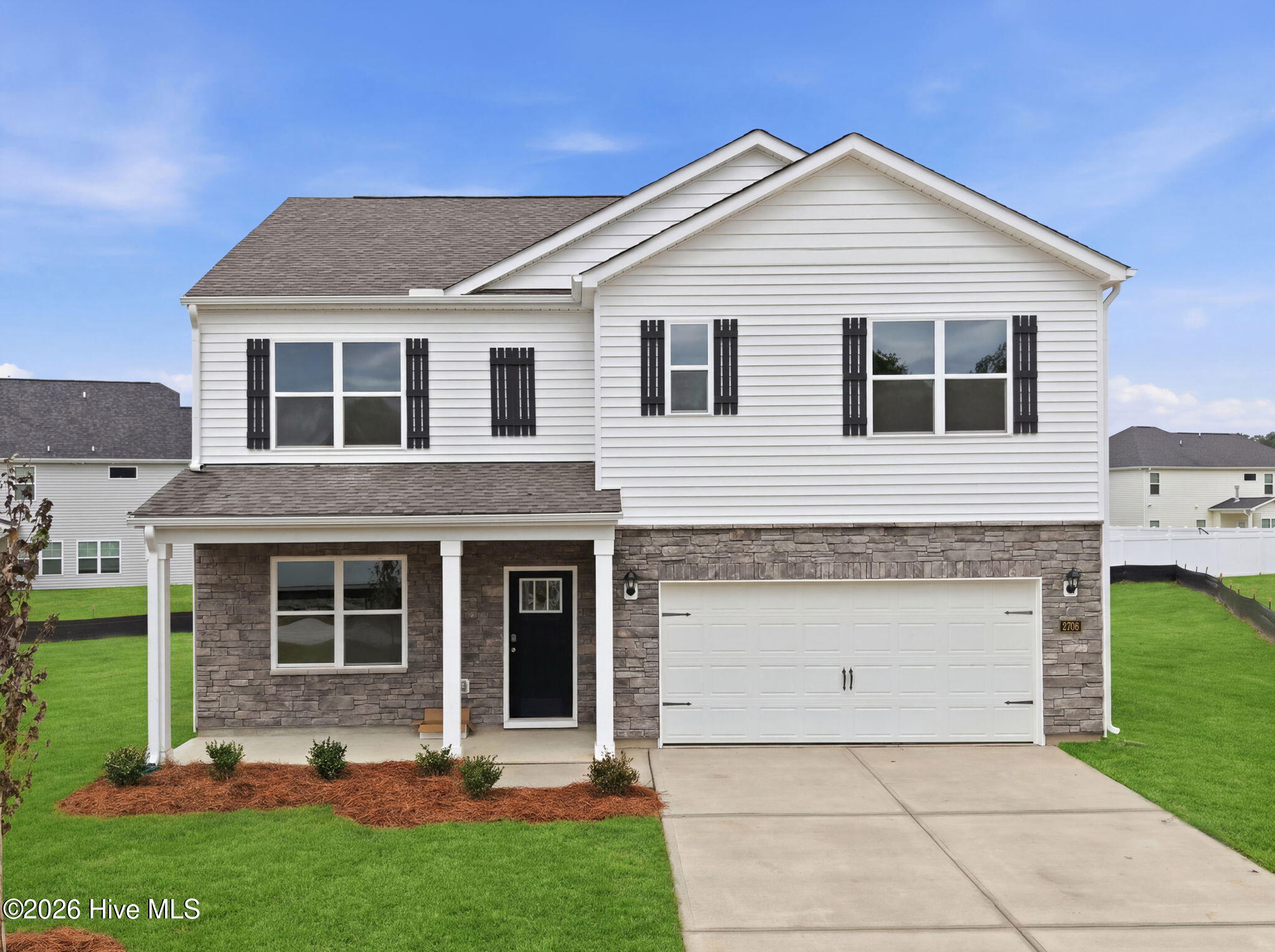
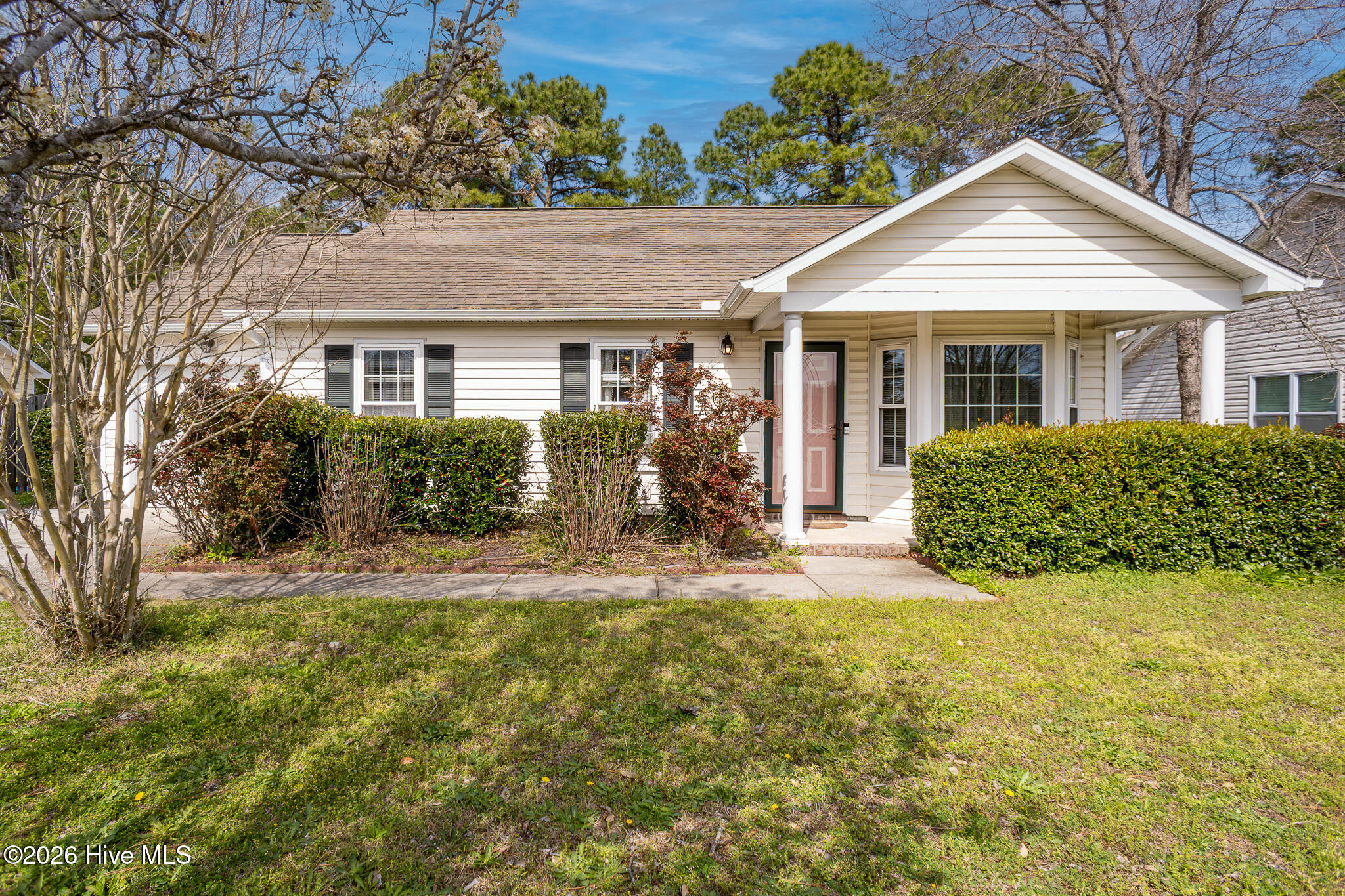
Beds: 3 Baths: 2 SqFt: 1,149 | |||
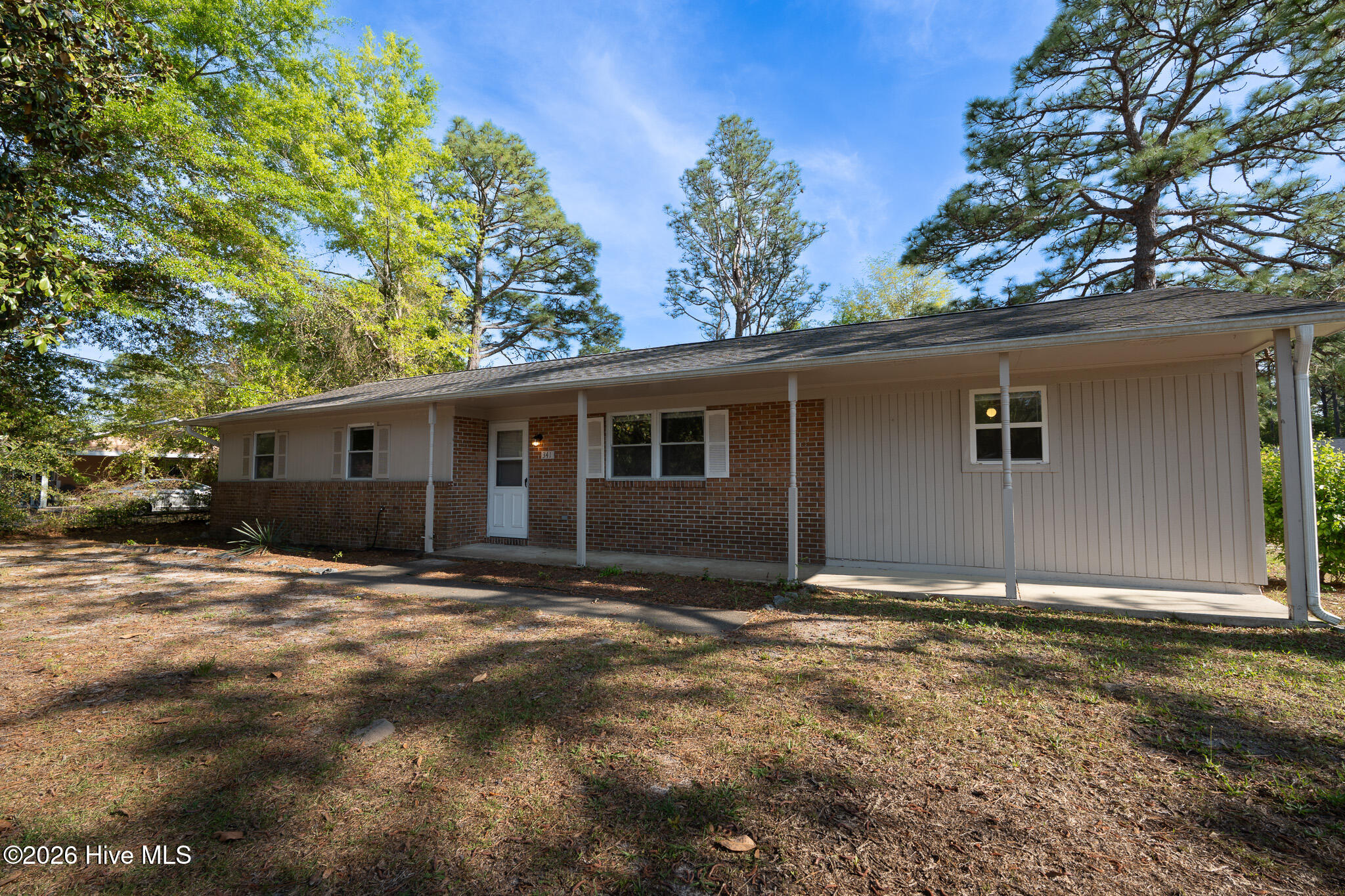
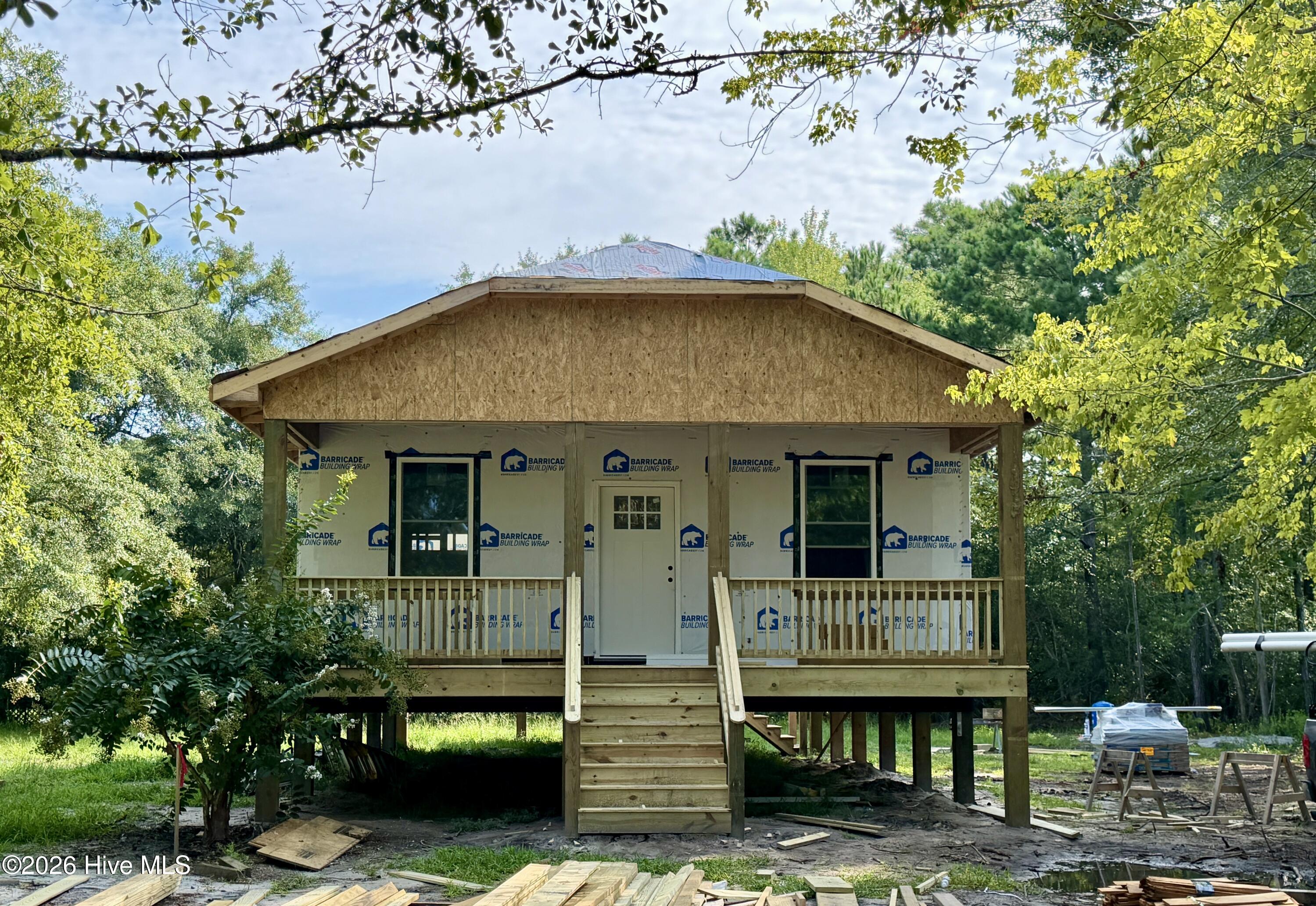
Beds: 3 Baths: 3 SqFt: 1,280 | |||
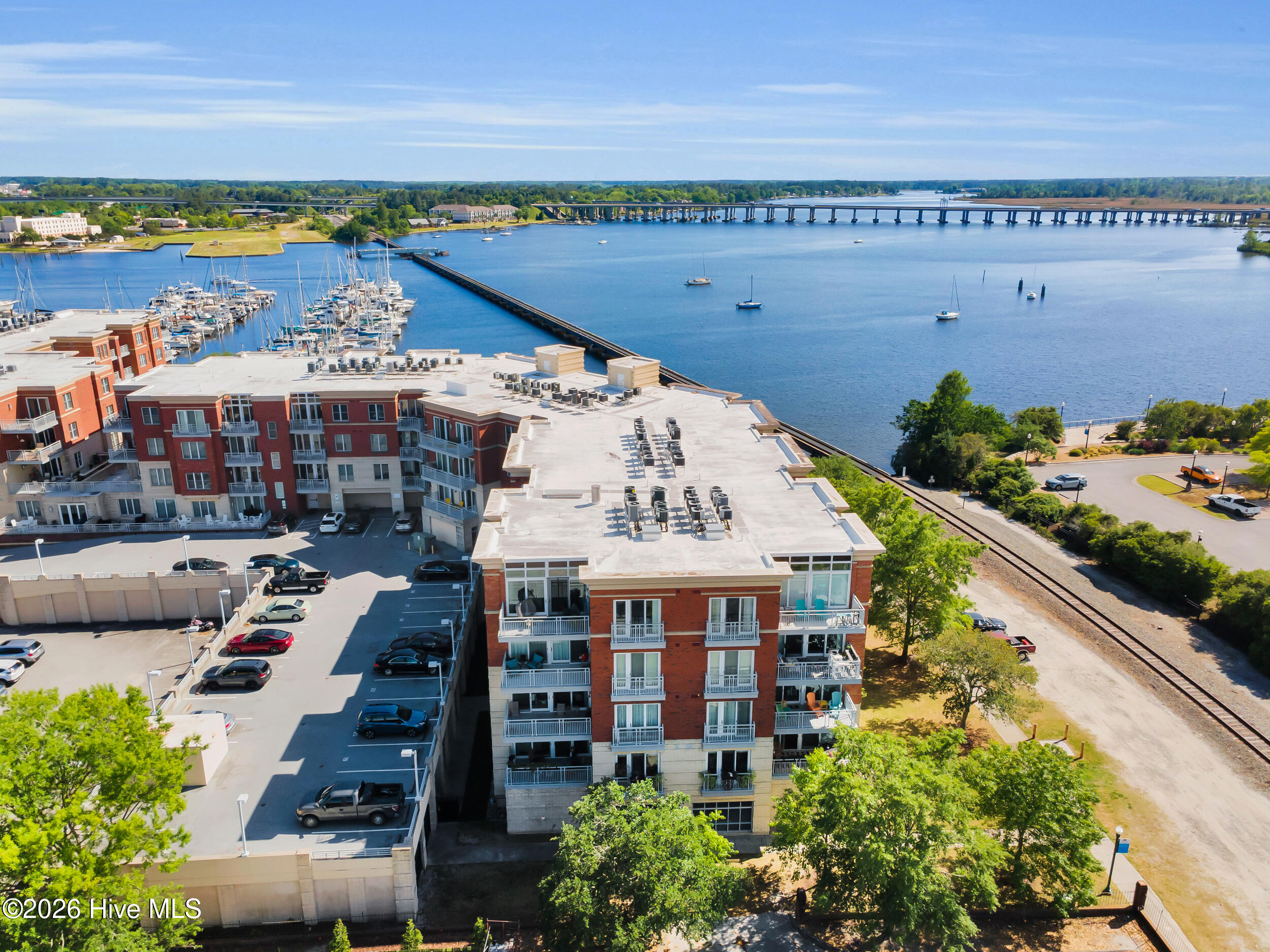
Beds: 3 Baths: 4 SqFt: 2,598 | |||
Beds: 2 Baths: 2 SqFt: 1,500 | |||
Beds: 6 Baths: 4 SqFt: 5,300 | |||
Beds: 3 Baths: 2 SqFt: 1,170 | |||
Beds: 5 Baths: 3 SqFt: 2,700 | |||
Beds: 3 Baths: 2 SqFt: 1,645 | |||
Beds: 2 Baths: 2 SqFt: 1,021 | |||
Beds: 3 Baths: 1 SqFt: 1,288 | |||
Beds: 5 Baths: 3 SqFt: 2,511 | |||
Beds: 3 Baths: 2 SqFt: 1,480 | |||
Beds: 5 Baths: 4 SqFt: 2,810 | |||
Beds: 3 Baths: 3 SqFt: 1,891 | |||
Beds: 4 Baths: 3 SqFt: 1,591 | |||
Beds: 4 Baths: 3 SqFt: 3,552 | |||
Beds: 3 Baths: 2 SqFt: 1,496 | |||
Beds: 4 Baths: 4 SqFt: 3,207 | |||
Beds: 1 Baths: 1 SqFt: 787 | |||
Beds: 7 Baths: 4 SqFt: 3,202 | |||
Beds: 4 Baths: 3 SqFt: 2,382 | |||
Beds: 3 Baths: 2 SqFt: 1,330 | |||
Beds: 2 Baths: 2 SqFt: 1,040 |







Winchester Realty Group Local real estate guidance for buyers, sellers and relocating clients throughout Coastal North Carolina. Phone 910-297-8588
Explore Coastal NC Real Estate: Wilmington NC Real Estate, Sneads Ferry NC Real Estate
© 2026 Seacoast Realty, Inc. All rights reserved. Equal housing opportunity. An equal opportunity company
Coldwell Banker® and the Coldwell Banker Logo are registered service marks owned by Coldwell Banker Real Estate LLC. Seacoast Realty, Inc. fully supports the principles of the Fair Housing Act and the Equal Opportunity Act. Each franchise is independently owned and operated. Any services or products provided by independently owned and operated franchises are not provided, affiliated with or related to Coldwell Banker Real Estate LLC nor any of its affiliated companies.
 Listings courtesy of Canopy MLS as distributed by MLS GRID.
Based on information submitted to the MLS GRID as of All data is obtained from various sources and may not have been verified by broker or MLS GRID. Supplied Open House Information is subject to change without notice. All information should be independently reviewed and verified for accuracy. Properties may or may not be listed by the office/agent presenting the information.
The Digital Millennium Copyright Act of 1998, 17 U.S.C. § 512 (the “DMCA”) provides recourse for copyright owners who believe that material appearing on the Internet infringes their rights under U.S. copyright law. If you believe in good faith that any content or material made available in connection with our website or services infringes your copyright, you (or your agent) may send us a notice requesting that the content or material be removed, or access to it blocked. Notices must be sent in writing by email to DMCAnotice@MLSGrid.com.
“The DMCA requires that your notice of alleged copyright infringement include the following information: (1) description of the copyrighted work that is the subject of claimed infringement; (2) description of the alleged infringing content and information sufficient to permit us to locate the content; (3) contact information for you, including your address, telephone number and email address; (4) a statement by you that you have a good faith belief that the content in the manner complained of is not authorized by the copyright owner, or its agent, or by the operation of any law; (5) a statement by you, signed under penalty of perjury, that the information in the notification is accurate and that you have the authority to enforce the copyrights that are claimed to be infringed; and (6) a physical or electronic signature of the copyright owner or a person authorized to act on the copyright owner’s behalf. Failure to include all of the above information may result in the delay of the processing of your complaint.
